blog details
Meet the dedicated professionals who work tirelessly to deliver reliable logistics solutions and exceptional customer service.


Improving supply chain efficiency is essential for reducing costs
What Does Supply Chain Optimization Mean?
Supply chain optimization is the process of improving every stage of the supply chain to reduce costs, increase speed, and improve overall performance. It focuses on making the flow of goods, information, and resources as efficient as possible.
Why Supply Chain Efficiency Matters
An efficient supply chain helps businesses reduce delays, lower operational costs, and improve customer satisfaction. In today’s competitive market, even small improvements in efficiency can lead to significant business advantages.
Improving Demand Forecasting Accuracy
Accurate demand forecasting is essential for reducing overstocking and shortages. Businesses use historical data, market trends, and predictive analytics to better understand customer demand and plan accordingly.
Strengthening Supplier Relationships
Strong supplier relationships ensure consistent material quality and timely deliveries. Businesses that collaborate closely with suppliers can reduce risks, negotiate better pricing, and improve reliability.
Streamlining Inventory Management
Effective inventory management helps prevent both excess stock and product shortages. Techniques like just-in-time inventory and automated tracking systems allow businesses to maintain optimal stock levels.
Enhancing Logistics and Transportation
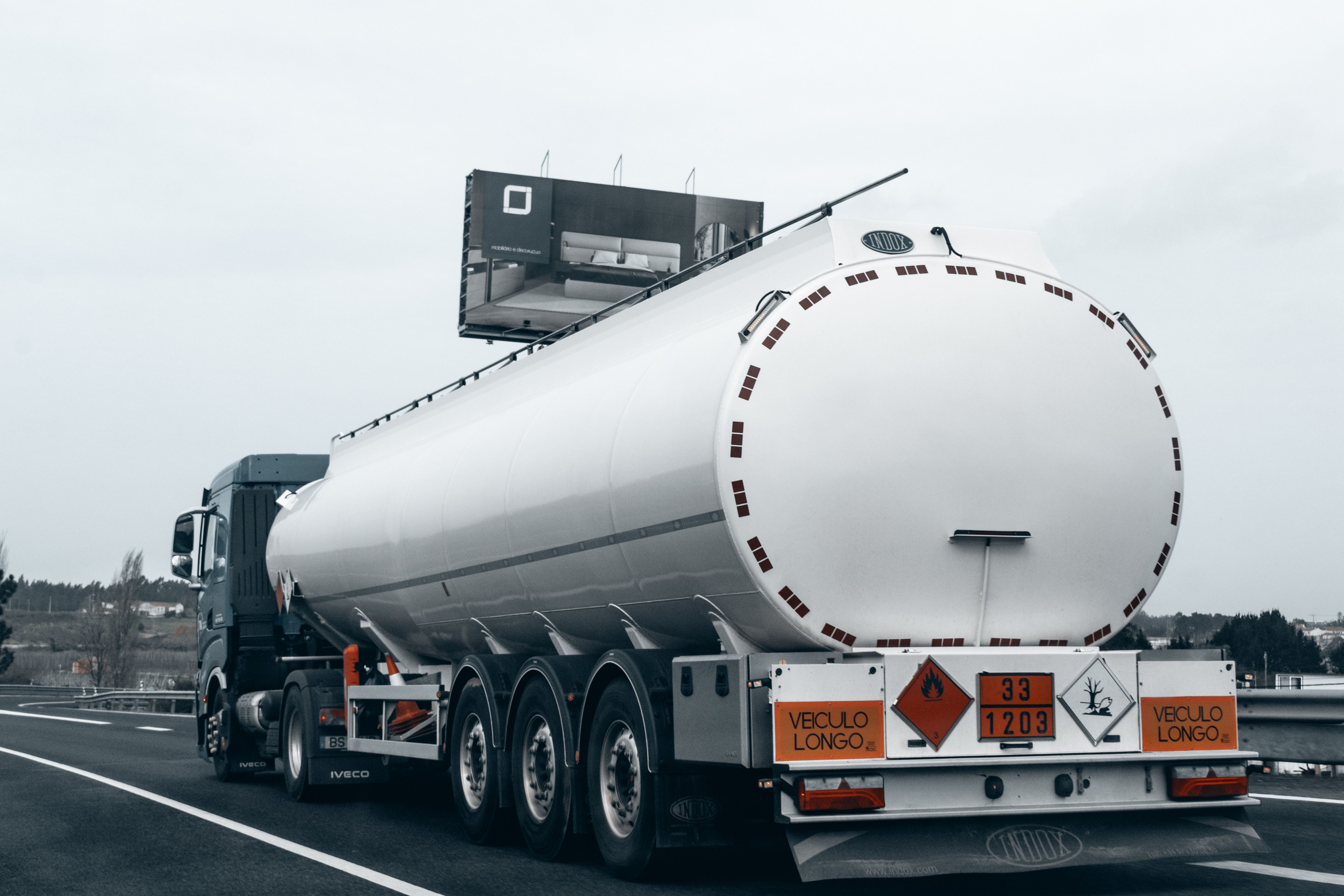
Optimizing logistics involves selecting the best transportation routes, reducing delivery times, and lowering shipping costs. Real-time tracking and route optimization tools play a major role in improving logistics performance.

Using Technology for Supply Chain Optimization
Modern supply chains rely on technologies such as artificial intelligence, machine learning, IoT devices, and automation systems. These tools improve visibility, enhance decision-making, and increase operational efficiency.
Reducing Operational Costs
Cost reduction can be achieved through better resource planning, improved warehouse management, and optimized transportation strategies. Eliminating waste and inefficiencies is key to maximizing profitability.
Improving Warehouse Operations
Efficient warehouse management includes proper storage systems, faster picking processes, and automation. Well-organized warehouses reduce errors and speed up order fulfillment.
Managing Supply Chain Risks
Supply chains face risks such as delays, global disruptions, and fluctuating demand. Risk management strategies like diversification of suppliers and contingency planning help maintain stability.
Focusing on Sustainability
Sustainable supply chain practices reduce environmental impact while improving long-term efficiency. Companies are adopting eco-friendly packaging, energy-efficient transport, and waste reduction strategies.
The Future of Supply Chain Optimization
The future will be driven by smart automation, predictive analytics, and fully connected digital supply networks. Businesses that adopt these innovations early will gain a strong competitive advantage.
Conclusion
Optimizing the supply chain is essential for improving efficiency, reducing costs, and delivering better customer experiences. By adopting modern technologies and strategic planning, businesses can build faster and more resilient supply chains.